Soil Liquid Disposal
Blog article: Soil and Liquid Disposal by Carolinas Environmental Response Team via Soil Landfarm
From Contamination to Remediation: How CERT Manages Soil & Liquid Waste Through Landfarming
A closer look at how the Carolinas Environmental Response Team turns impacted soils and industrial liquids into a managed, compliant end-of-life solution.
Across the Carolinas, industrial operations, fuel spills, pipeline incidents, and construction projects regularly produce two categories of environmental waste that require careful handling: impacted soil and non-hazardous liquid waste. Left unmanaged, these materials can threaten groundwater, surface water, and public health. The Carolinas Environmental Response Team (CERT) operates a permitted soil landfarm facility designed specifically to receive, treat, and biologically remediate these materials in a controlled, regulatory-compliant setting.
What is a soil landfarm?
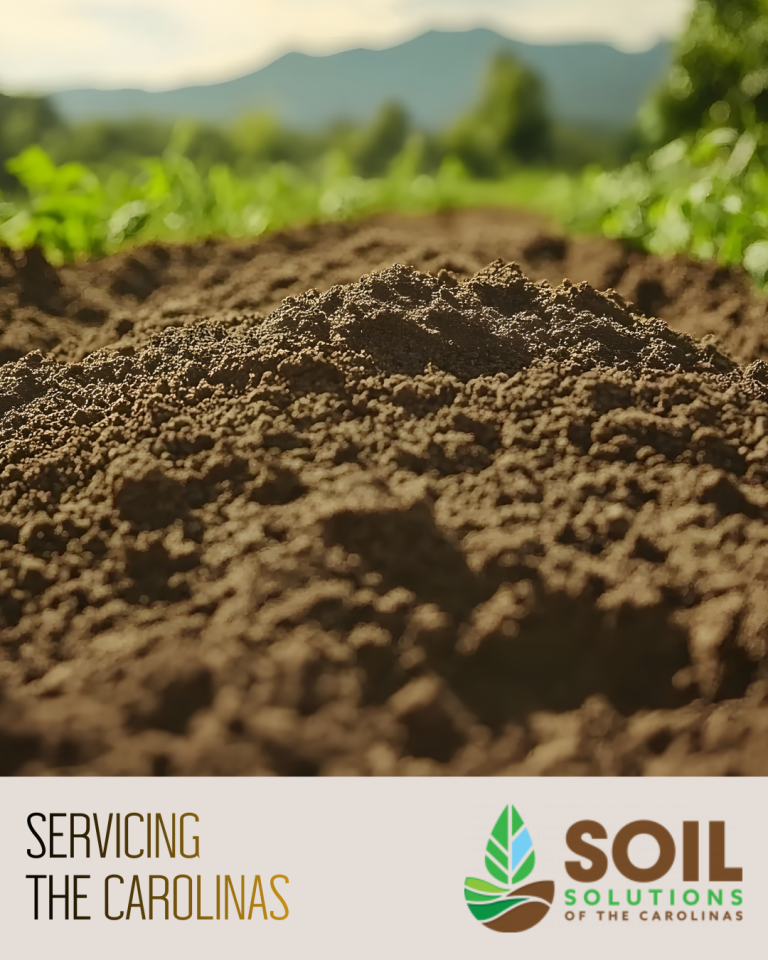
A soil landfarm is a land-based treatment unit where contaminated soils and liquid wastes are applied to a prepared, engineered surface and allowed to undergo biodegradation. Microorganisms naturally present in the soil — or introduced as an amendment — break down petroleum hydrocarbons and other organic compounds over time. The process is actively managed through tilling, aeration, moisture control, and nutrient addition to accelerate the biological activity responsible for breaking contaminants down.
Unlike a landfill, which simply contains waste, a landfarm is a treatment facility — the goal is destruction or reduction of contaminants to acceptable levels, not indefinite storage.
What CERT accepts at its landfarm
CERT's facility is designed to handle two primary waste streams generated throughout the Carolinas industrial and environmental services sectors:
The landfarm treatment process, step by step
Once materials are accepted and profiled, CERT follows a structured treatment protocol to ensure effective remediation and regulatory compliance throughout the material's time at the facility.
1. Waste profiling and acceptance. Before any soil or liquid is transported to the facility, CERT's environmental team reviews waste characterization data — laboratory analytical results, generator history, and regulatory classification — against the facility's operating permit. Only materials meeting permit criteria are approved.
2. Receiving and placement. Incoming soils are placed in designated treatment cells on the prepared landfarm surface. Liquids are applied to the soil surface or blended with existing material at controlled rates to maintain optimal moisture conditions for microbial activity without creating runoff or leachate.
3. Active management. Treatment cells are regularly tilled to incorporate oxygen — essential for aerobic biodegradation. Nutrients such as nitrogen and phosphorus may be added as amendments. Moisture levels are monitored and adjusted, and facility staff track temperature and pH to ensure conditions remain favorable for the microorganisms doing the work.
4. Monitoring and sampling. Periodic soil sampling is conducted throughout the treatment period. Laboratory results track contaminant concentrations over time, demonstrating progress toward cleanup goals and supporting regulatory reporting requirements.
5. Closure or reuse. When analytical results confirm that contaminant concentrations have been reduced to permit-specified levels, the treated material may be closed in place or, where appropriate, reused as fill material in approved applications.
Why landfarm disposal makes sense for the Carolinas
For generators of petroleum-impacted soils and non-hazardous liquids across North and South Carolina, CERT's landfarm offers a practical, cost-effective, and environmentally responsible disposal pathway. Rather than shipping contaminated material out of state or sending it to a lined landfill — where it simply occupies space — generators can route their waste to a facility where biological treatment actively reduces the contaminant load.
The landfarm also serves as a convenient regional solution for environmental contractors managing UST removals, spill cleanups, and brownfield redevelopment projects throughout the region. Having a permitted facility within the Carolinas reduces transportation costs and keeps disposal timelines efficient — particularly valuable during emergency response situations where fast soil removal and disposal are critical to minimizing site impact.
Liquid disposal: treating oily water and tank bottoms
One of the more specialized services CERT's landfarm provides is the disposal and land application of non-hazardous liquid wastes — including oily water, petroleum separator bottoms, and tank cleaning residuals. These liquid streams are challenging to manage because many traditional disposal options (publicly owned treatment works, commercial wastewater facilities) cannot accept petroleum-bearing liquids.
At the landfarm, permitted liquid application rates ensure that the soil's microbial community can process the incoming hydrocarbon load without overwhelming the treatment system. The liquid serves a dual function: it introduces organic compounds that microorganisms metabolize, and it provides moisture that sustains biological activity in the treatment cells. This careful balance is what makes a well-run landfarm an active remediation system rather than a holding area.
Working with CERT for your disposal needs
Environmental contractors, municipalities, industrial facilities, and emergency responders across the Carolinas region can contact CERT to begin the waste profiling process. CERT's team will review your waste characterization data, confirm permit compatibility, and coordinate logistics for transport and acceptance. The process is designed to be straightforward for generators while maintaining the documentation and oversight that regulatory compliance requires.
Whether you are managing a routine UST closure, responding to an unexpected petroleum release, or looking for a regional solution for ongoing industrial liquid waste streams, CERT's soil landfarm provides a permitted, professionally operated treatment and disposal option built for the Carolinas market.